
Hydronic Radiant Floor & Baseboard Heating Services on Long Island
Keep your property consistently warm and energy-efficient through harsh coastal winters with reliable hydronic heating solutions tailored to your space.
We specialize in the complete installation, repair, and seasonal maintenance of radiant floor heating and baseboard heating systems for homes and businesses across Nassau County and Suffolk County. From purging airlocks in legacy copper baseboards to retrofitting modern in-floor hydronic tubing during home renovations, our licensed heating technicians deliver targeted solutions that enhance comfort and reduce winter utility costs on Long Island.
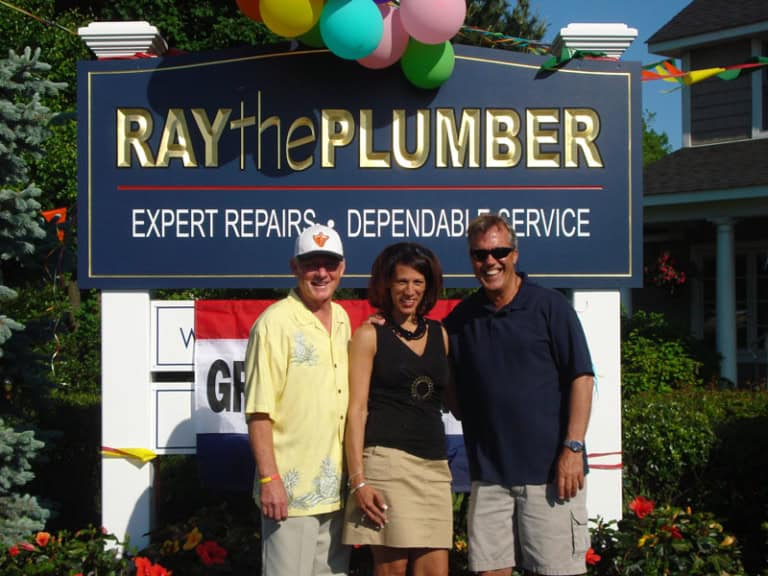
Fast - Reliable - Honest
Do not allow a failing baseboard loop or cold radiant floor to disrupt your comfort when temperatures plummet. Contact our dedicated Long Island team today to schedule your hydronic heating inspection, system flush, or repair service anywhere in Nassau or Suffolk County. We provide clear upfront estimates, prompt scheduling, and a high standard of craftsmanship designed to keep your heating system running silently, reliably, and efficiently all season long.
Get A Warm Home All Year Round
Many residential and commercial properties in Nassau and Suffolk counties rely on boiler-driven baseboard loops or in-slab radiant systems that encounter performance drops over time. Mineral scale accumulation, failing circulator pumps, faulty zone valves, and corroded brass fittings frequently lead to uneven heat, noisy pipes, or total zone outages during freeze-thaw cycles. Our diagnostic process includes power-flushing contaminated loops, installing air separators and expansion tanks, and balancing hydronic manifolds. We utilize oxygen-barrier PEX tubing and thermostatic mixing valves for new installations, preventing boiler thermal shock and protecting your heating equipment against premature failure.
What is the functional difference between hydronic baseboard heating and radiant floor heating?
Hydronic baseboard systems heat air near perimeter walls using metal fin-tube elements, allowing warm air to naturally rise and circulate. In contrast, radiant floor heating installs flexible tubing beneath tile, wood, or concrete floors, warming surfaces directly and distributing heat evenly from the ground up. Radiant systems eliminate cold spots, operate at lower boiler water temperatures for higher fuel efficiency, and reduce airborne dust circulation compared to wall-mounted baseboards.
Why are certain baseboard panels or floor zones cold while the boiler is running?
Cold zones are typically caused by trapped air pockets (airlocks) blocking water circulation, a stuck zone valve actuator, or a failing circulator pump motor. On Long Island, high water hardness can also cause sediment build-up inside older copper or iron pipes, restricting hydronic flow. Our heating specialists flush trapped air, test zone controllers, and clean or replace damaged valves to restore proper water flow through every heating loop.
How do I protect my radiant or baseboard heating pipes from freezing during severe Long Island winter freezes?
If a boiler experiences a power outage or ignition failure during sub-freezing temperatures, stationary water inside exterior wall baseboards or uninsulated floor loops can freeze and rupture pipes. We recommend adding a non-toxic propylene glycol anti-freeze mixture specifically engineered for hydronic heating systems. Additionally, installing a digital low-temperature monitor alerts you to heating drops before water freezes inside your pipes.